1. Structural Frame and Load Capacity
Steel Structure Defines Stability
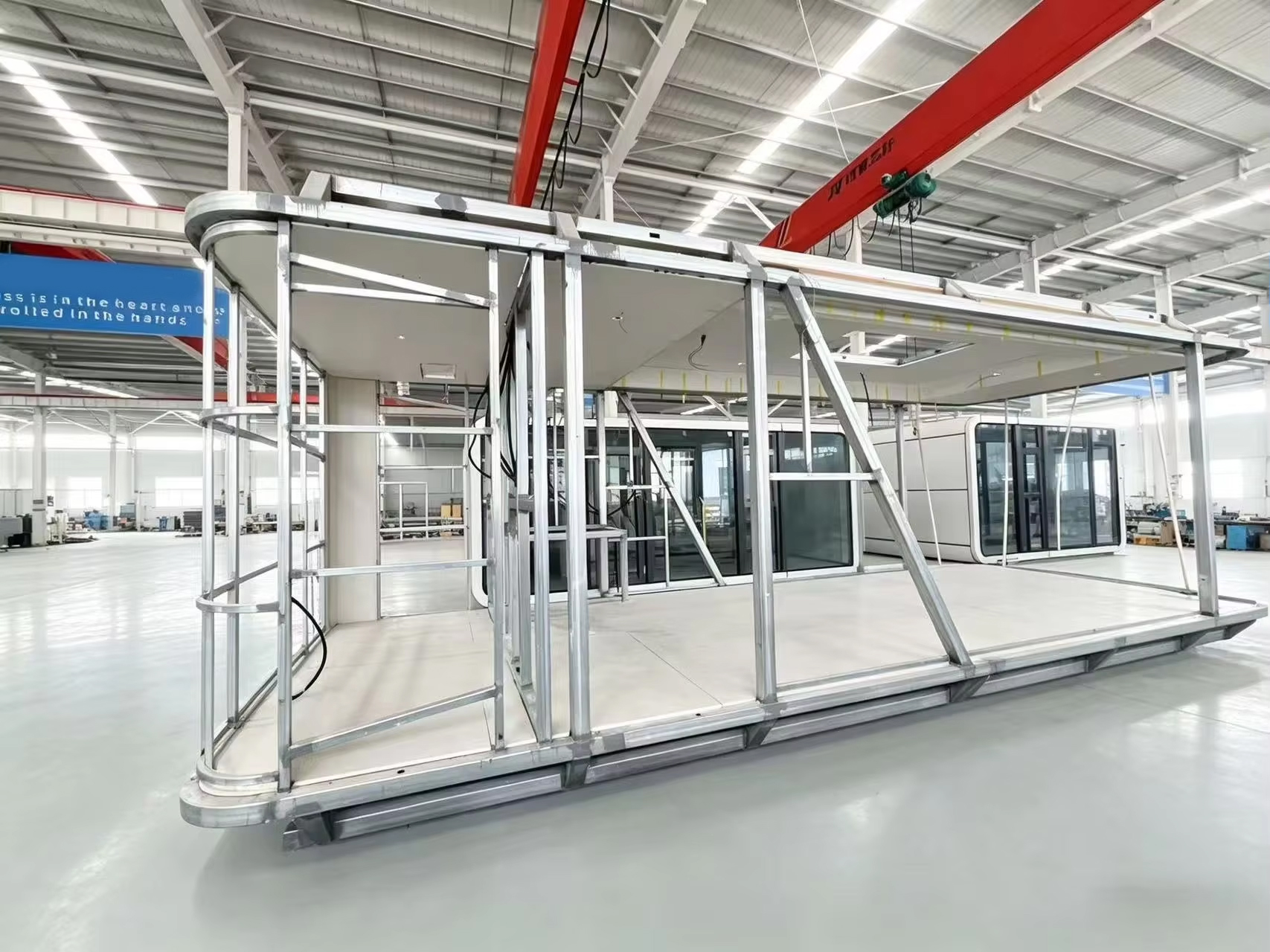
A Chinese capsule house relies on a reinforced steel frame to ensure transport safety and structural stability. Most units use galvanized steel with thickness between 2.5–4 mm, supporting wind resistance up to 120 km/h while keeping total weight under 3.5 tons for easy delivery. According to McKinsey (2023), modular steel construction reduces material waste by up to 30%.
This is why modular container home solutions are widely used in mining camps and desert construction sites where durability and mobility are required.
2. Interior Layout and Functional Zoning
Compact Design Maximizes Space
A capsule house interior is designed to fit full living functions within 20–40㎡ using efficient zoning. Layouts typically include a bed, bathroom, storage, and small kitchen arranged in linear or modular sections.
According to Statista (2024), demand for compact housing under 40㎡ has increased by 18% globally since 2020, driven by urban cost pressure.
This makes minimalist capsule house layouts popular in tourism and Airbnb-style accommodations.
3. Smart Systems Integration
Automation Reduces Energy Consumption
Modern capsule houses integrate smart systems for lighting, climate, and access control. These systems can reduce energy consumption by 15–30% according to U.S. DOE (2021).
In a 2024 Cammihouse project survey, smart modules reduced off-grid energy usage by about 22% in Middle East deployments.
This is a key feature in prefab capsule house solutions targeting remote living environments.
4. Insulation and Climate Performance
Multi-Layer Walls Handle Extreme Weather
Capsule houses use layered insulation systems to maintain indoor comfort across extreme climates. Wall structures often include aluminum panels, PU insulation (50–100 mm), and interior finishing boards.
The International Energy Agency (2022) states that proper insulation can reduce heating and cooling demand by up to 40%.
This makes modern container home units suitable for desert regions and cold mining zones.
5. Bathroom and Plumbing Modules
Prefabrication Reduces Installation Time
Bathrooms are delivered as fully prefabricated modules, cutting installation time significantly. Integrated plumbing and waterproof systems reduce on-site work by over 70%.
World Bank (2021) reports that prefabrication can shorten construction timelines by 20–50%.
This approach is widely used in custom capsule house projects for labor housing and emergency shelters.
6. Transportation and Deployment
Plug-and-Play Installation Saves Time
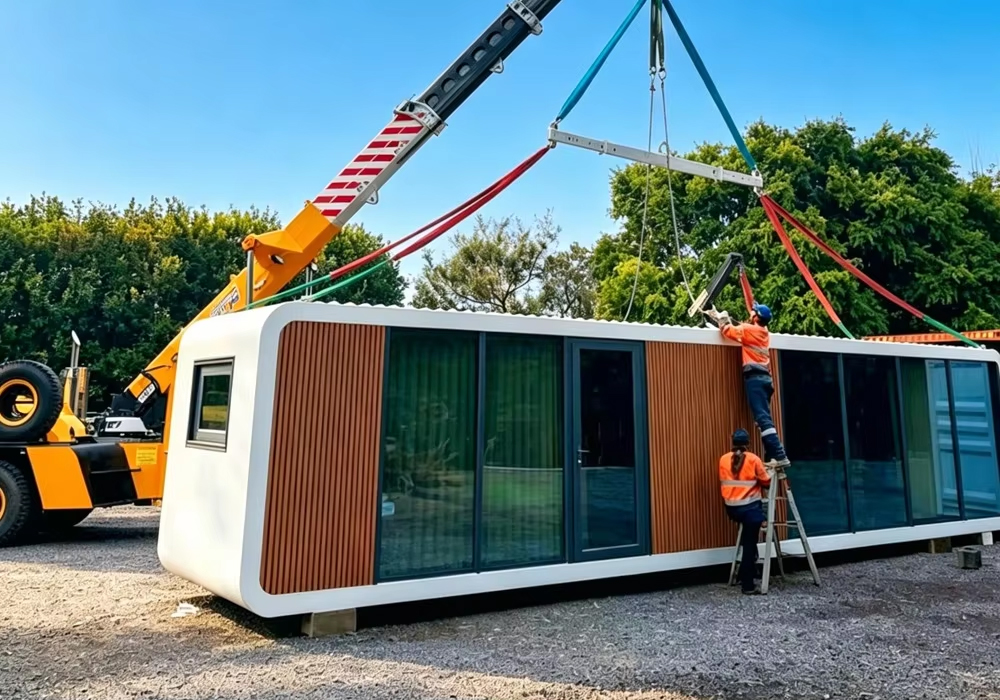
Capsule houses are designed for rapid installation, typically within 2–4 hours per unit. Units are transported via flatbed trucks and installed using cranes.
Compared to traditional buildings, deployment time can be reduced by up to 60% (McKinsey, 2023).
This efficiency makes shipping container home style units ideal for temporary and remote projects.
7. Design Flexibility and Aesthetics
Capsule Design Balances Function and Appearance
Capsule house design focuses on curved structures and panoramic windows to improve both usability and visual appeal. These features enhance natural lighting and reduce reliance on artificial systems.
Many capsule house manufactoy providers now offer customizable layouts and exterior finishes to meet tourism and residential needs.
In resort applications, such designs improve occupancy rates by offering a unique living experience.
8. Manufacturing and Supply Chain
Factory Production Ensures Consistency
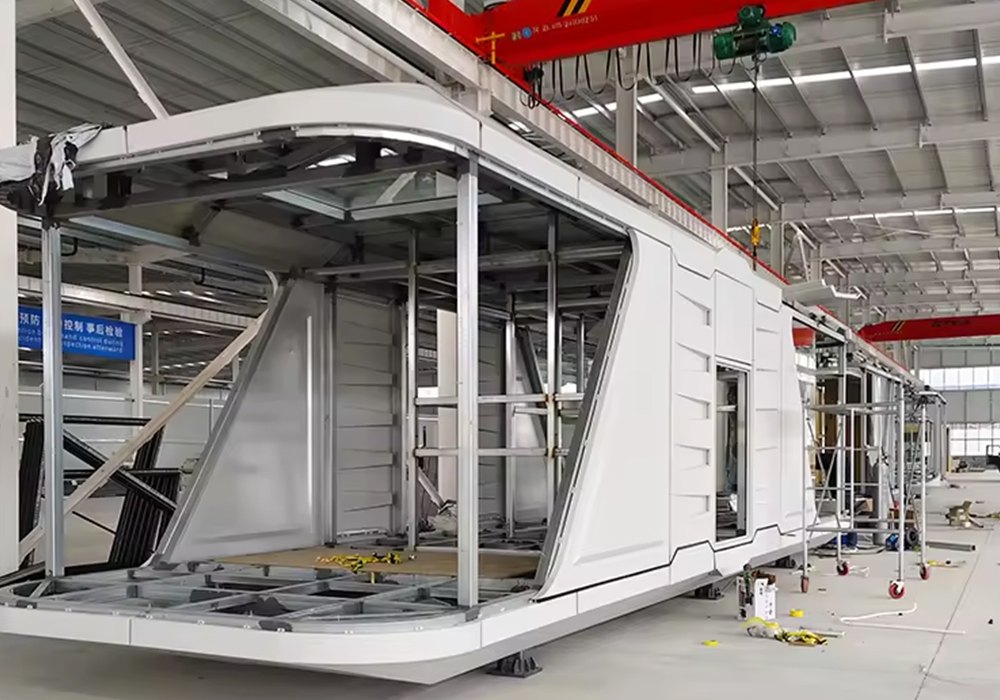
Capsule houses are produced in controlled factory environments to ensure precision and scalability. A typical China capsule house factory can deliver units within 30–45 days depending on customization.
China accounts for over 35% of global modular construction output (Statista, 2023), making it a major supply hub.
Some capsule house factory teams, including Cammihouse, apply standardized production with optional upgrades like solar systems and smart glass.
FAQ
What is the average cost of a capsule house?
The cost typically ranges from $8,000 to $30,000 depending on size, materials, and features. Basic units with standard finishes are more affordable, while units with smart systems and enhanced insulation increase the price. Shipping distance and installation requirements also affect the total cost.
How long does a capsule house last?
Most capsule houses last between 15 and 25 years with proper maintenance. Steel frames, corrosion protection, and sealed insulation systems contribute to durability. Regular inspection of joints, electrical systems, and waterproof layers can extend service life, especially in harsh climates like deserts or coastal regions.
Is a capsule house suitable for export and quick installation?
Yes, capsule houses are designed for international shipping and rapid deployment. They are compact enough for container transport and can be installed within a few hours using a crane. This makes them ideal for overseas projects such as mining camps, construction sites, and tourism developments.
Author: Justin Mercer, Cammihouse Technical Team

